SocialTwist Tell-a-Friend
Lebanon

Background

Since 1975, it has been estimated that up to 165 million square meters of land in Lebanon may have been affected by mines and unexploded ordnance (UXO). In the period up to May 2009, 91 million square meters of land were returned to the Lebanese people through a combination of activities conducted by the Lebanese Army, non-governmental demining organisations and commercial companies.


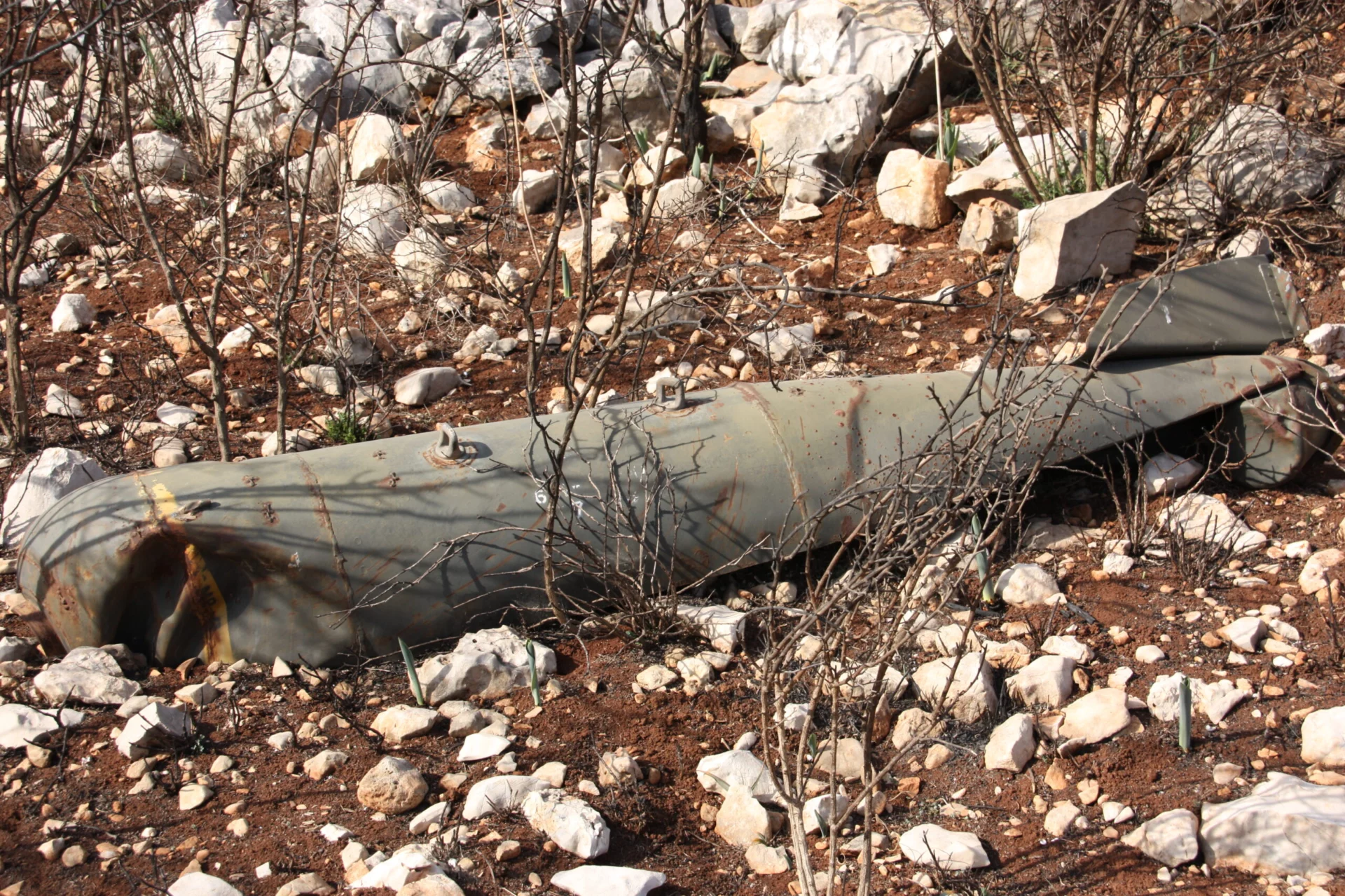
The Lebanese Mine Action Centre (LMAC) and the UN Mine Action Coordination Centre – South Lebanon (UNMACC-SL) suspended mine clearance operations during July 2006 war. Because of the high number of recorded Israeli cluster bomb strikes, the LMAC and UNMACC-SL diverted all available resources to clear up the new areas of contamination. It is estimated that during the July 2006 war, over 1 million unexploded cluster munitions were dropped, contaminating an approximate area of 35 million square meters of land.


Problem Statement

Lebanon is the only state in the Middle East that is a signatory to the Cluster Munition Convention. Despite the fact that clearance activities have been going on since 2006, Lebanon is still one of the most cluster munition affected countries in the world. The threat posed by the remaining cluster munitions is clearly one of the most significant socio-economic issues affecting the south of the country. However, international funding for cluster munition clearance in South Lebanon was drastically reduced at the beginning of 2009. At the meeting of the International Mine Action Support Group for Lebanon (on 14th May 2009), the Lebanese Mine Action Centre (LMAC) stated that 16 million square metres of land (45% of the total contamination recorded) was still littered with cluster munitions and that half of the sites were either high or medium priority tasks that required immediate clearance.


Due to previous international support and a very competent national mine action centre, Lebanon is one of few mine-affected countries where it is possible to accurately assess the scale onto the remaining problem. The remaining 16 million square metres of contaminated land could take only a few more years to clear provided that funding remains at the same level as it was in 2007-2008. Unfortunately, due to the lack of funding, some clearance NGOs and commercial companies are partially decreasing their assets or leaving Lebanon. At its peak, 86 Battle Area Clearance teams were operational in Southern Lebanon, but this number dropped to 26 teams by May 2009. If there is a continuation of current funding trends, this number is going to decrease further. Current projections estimate that only 9 teams will be supported at the end of August 2009. This means that Lebanon will stay in the list of cluster munition-affected countries for many years to come. Although operational capacity is due to severely drop off, the threat has not significantly diminished with 9 more civilians falling victims to cluster munitions accidents in the first quarter of 2009.


FSD Operations

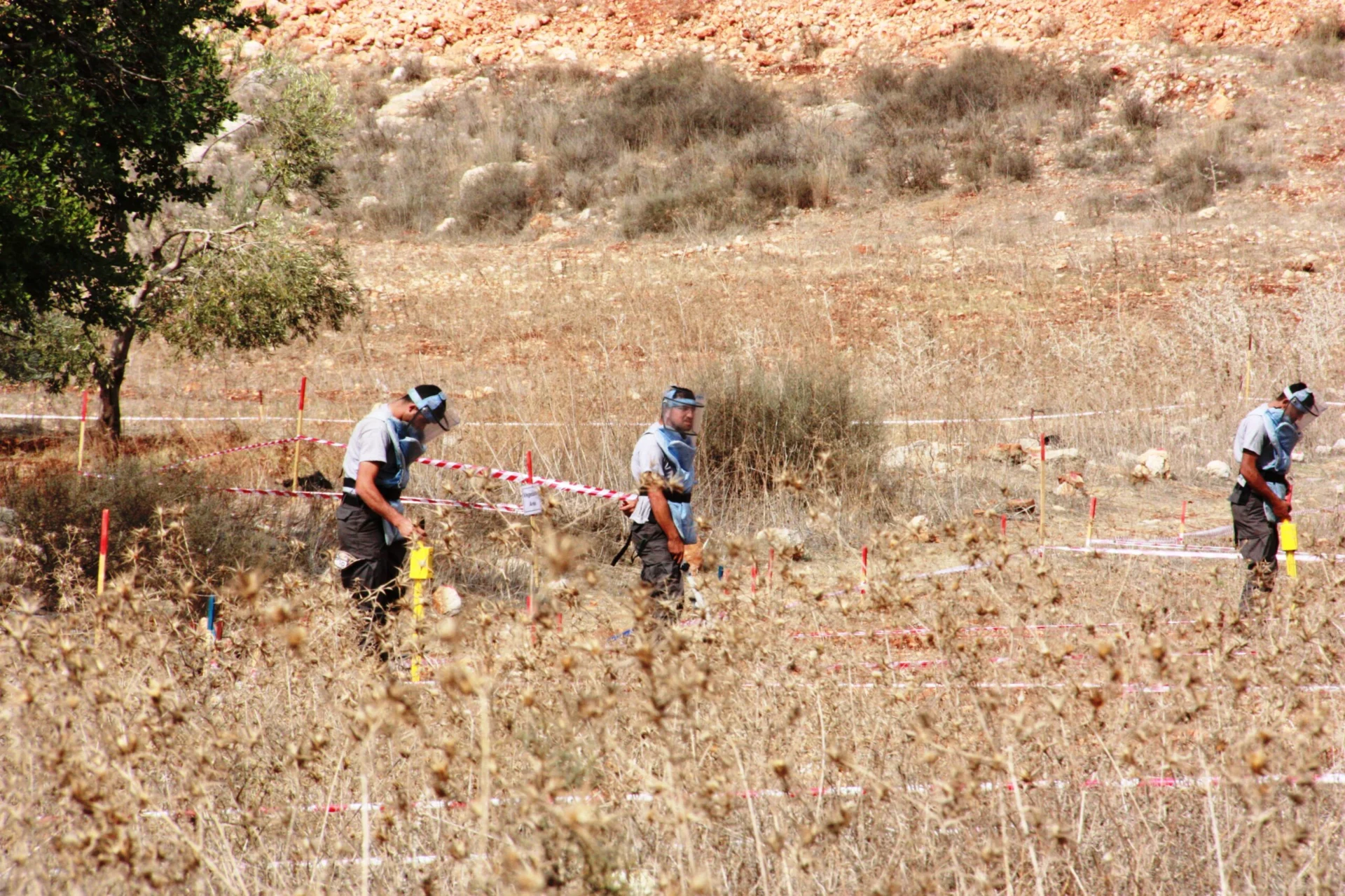
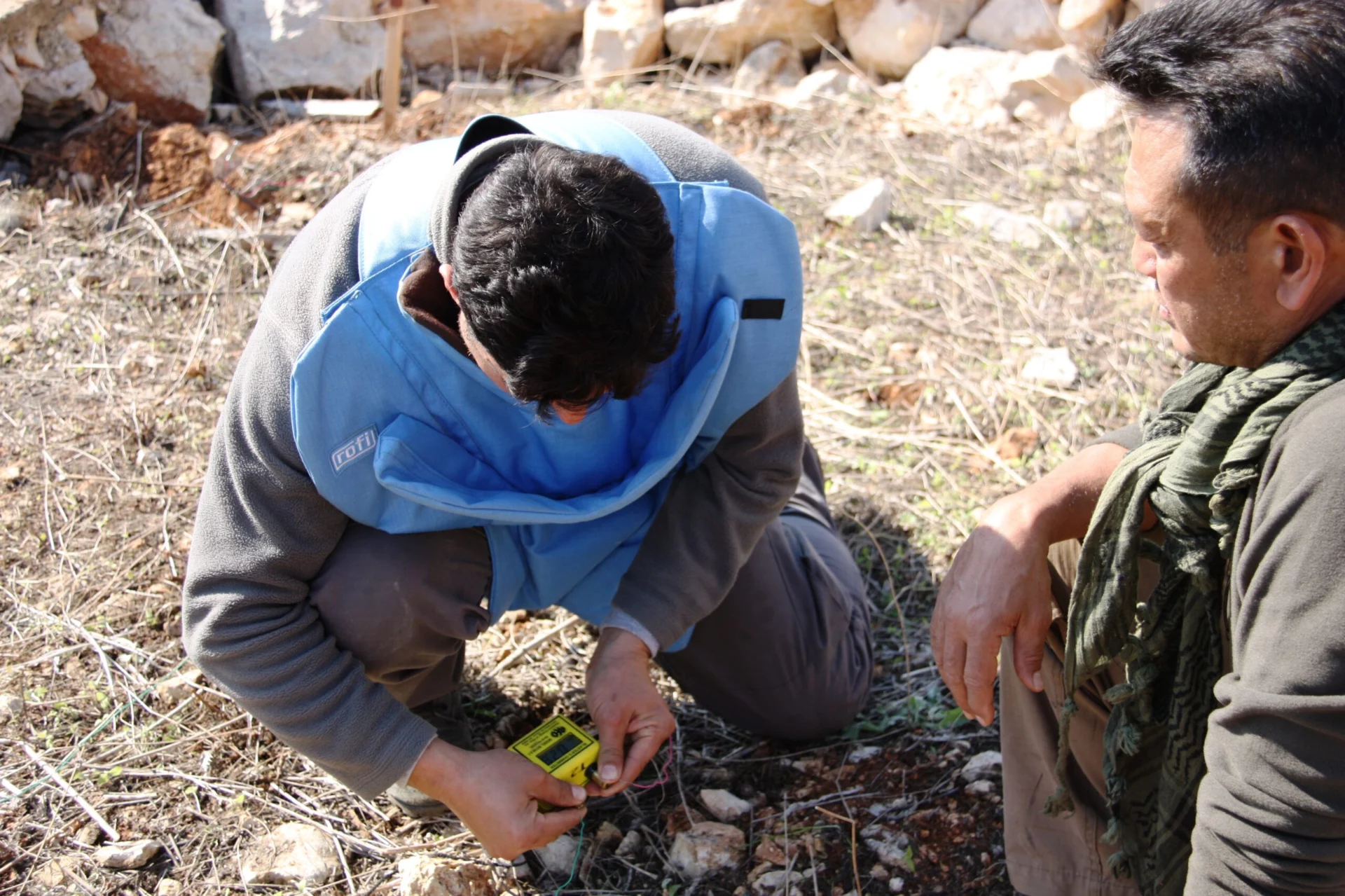
The FSD initially deployed a number of international technicians to Lebanon in September 2006 with the support of an ECHO grant. By December, the operational equipment and stores had been mobilised and field teams selected and trained. Battle Area Clearance (BAC) and Explosive Ordnance Disposal (EOD) teams were first fully deployed on live operational sites in February 2007.


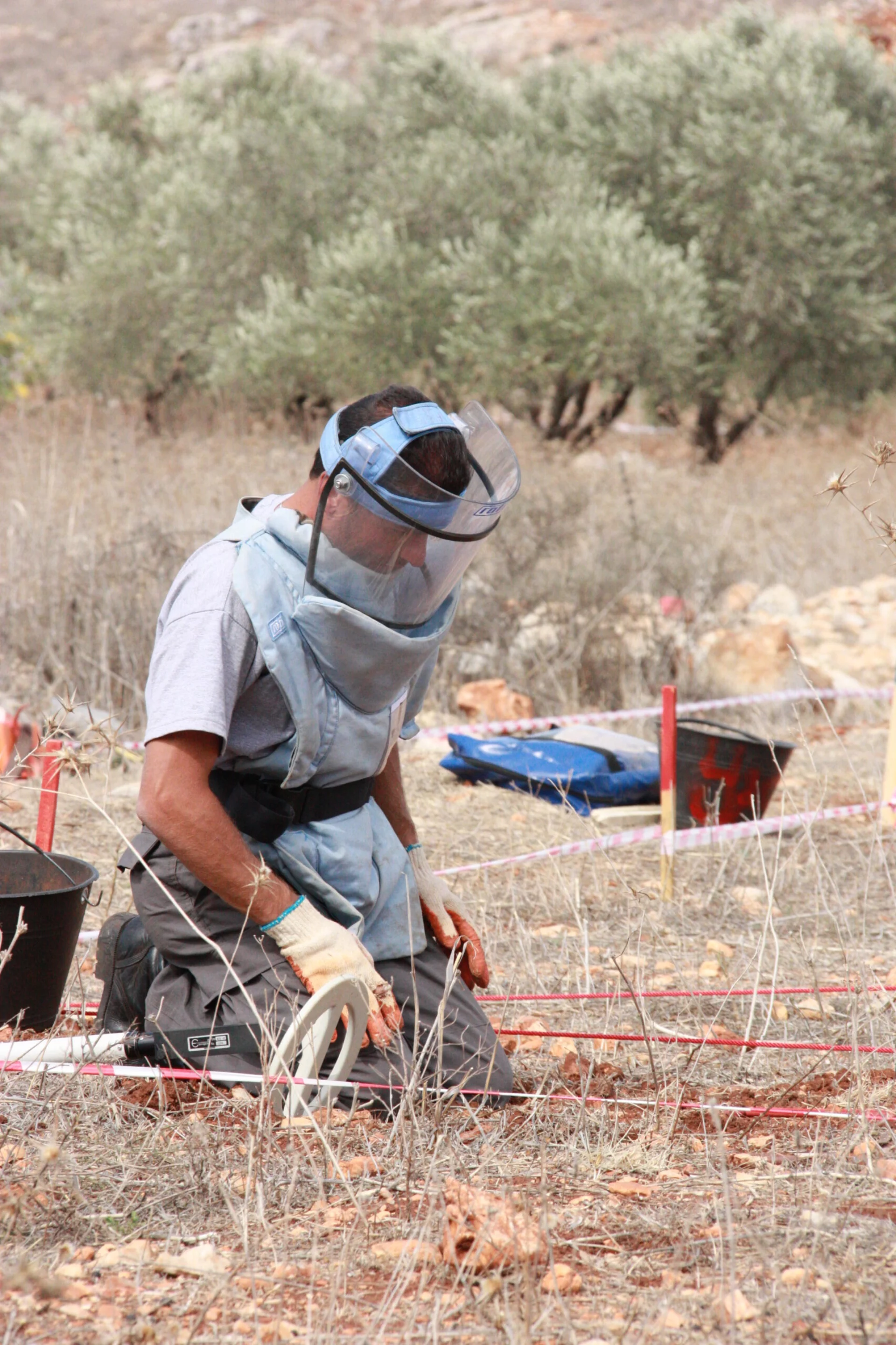
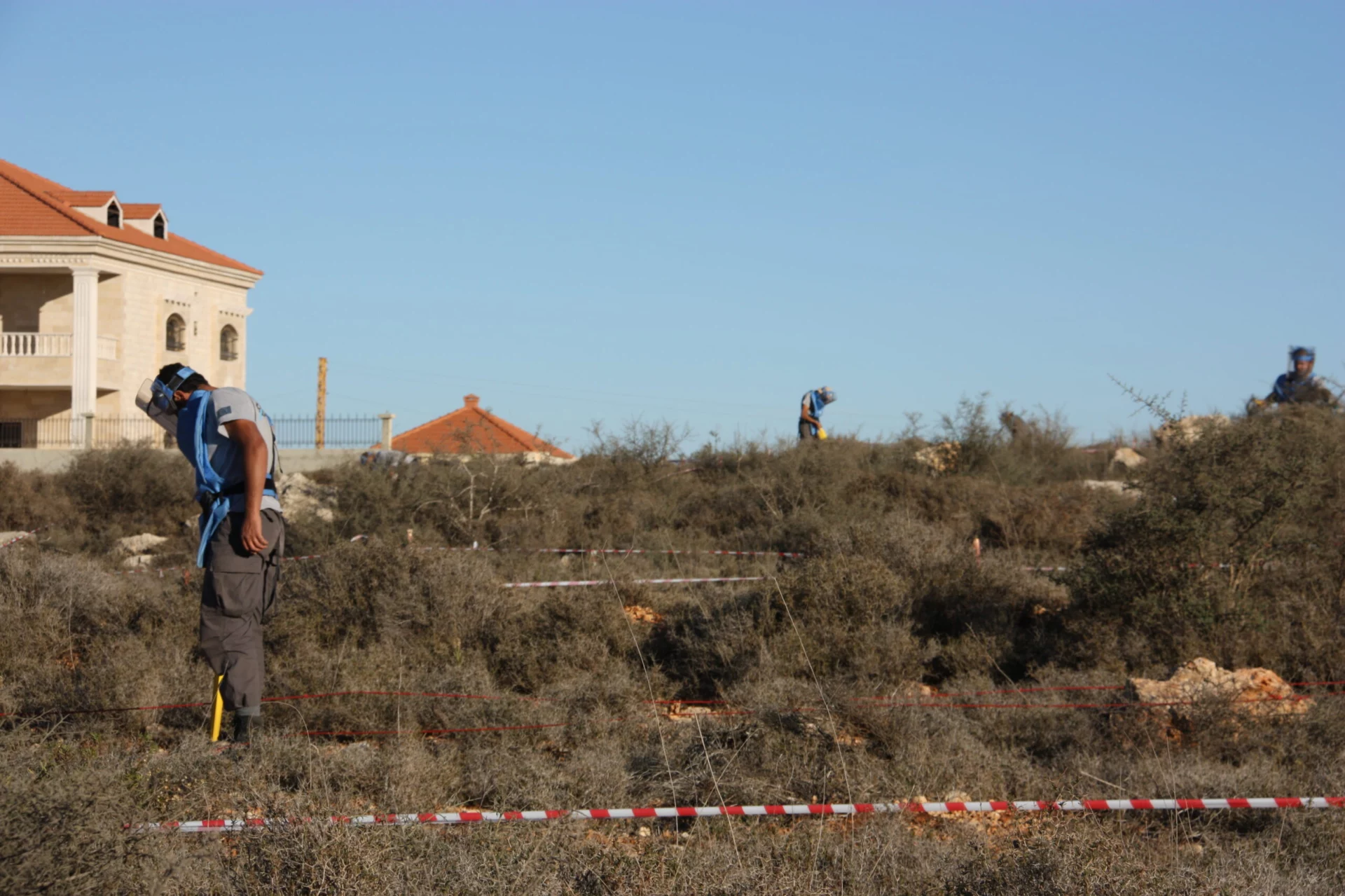
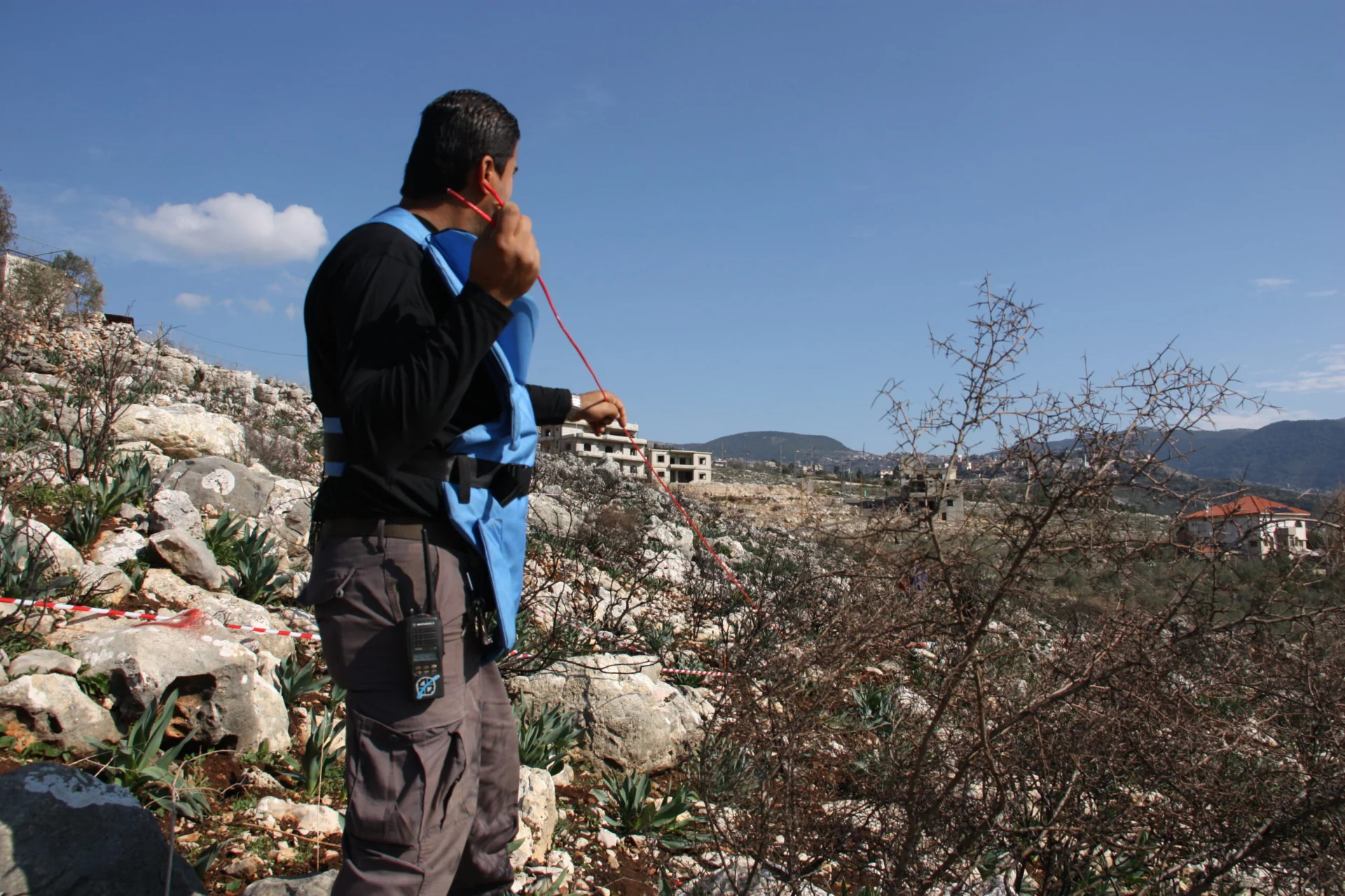
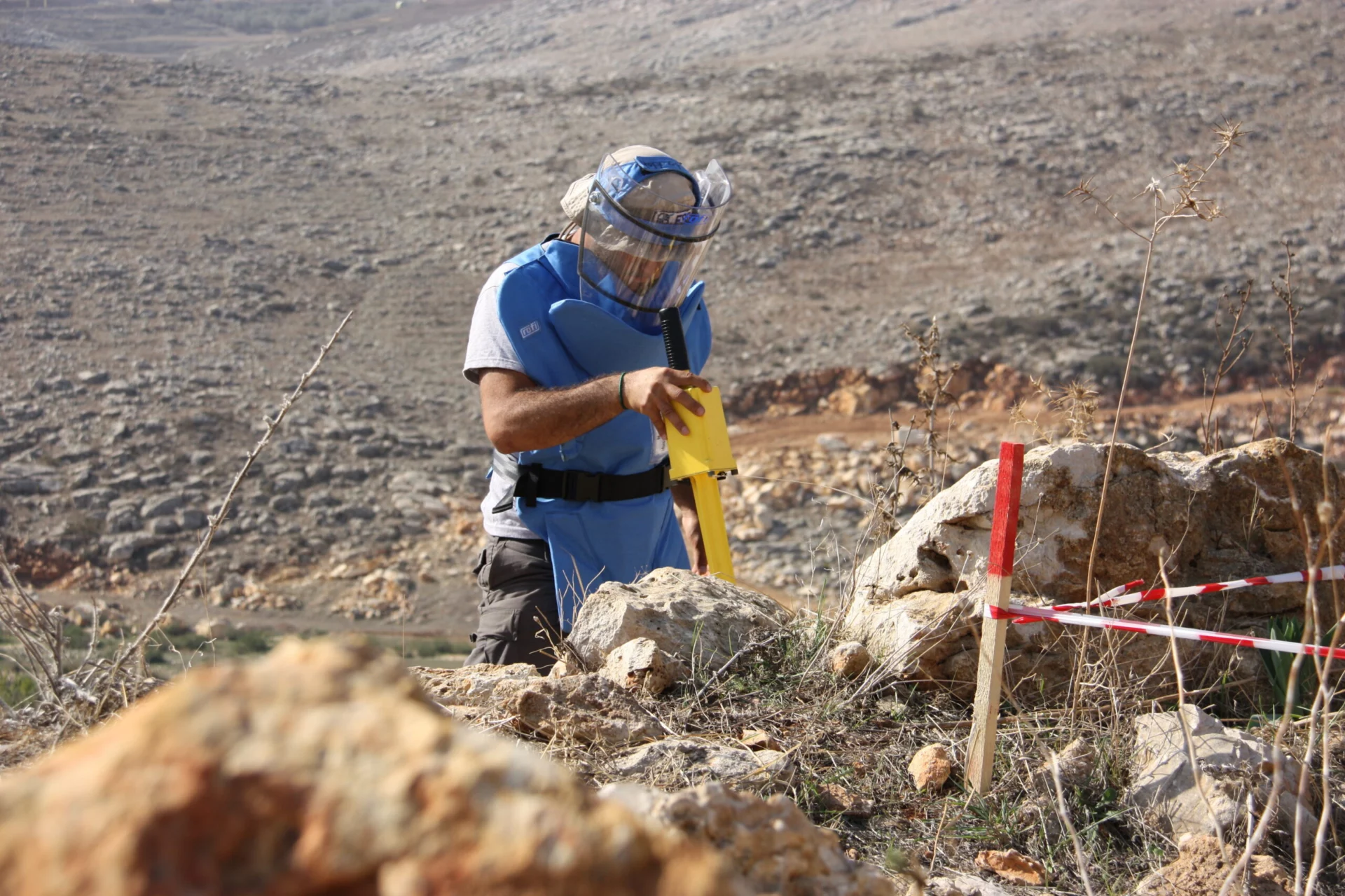
Field operations were conducted by four eight-man teams supported by international technical advisers. Throughout 2007 and 2008, the teams were deployed to clear priority cluster bomb unit (CBU) strike areas. Task site selection and deployment instructions were given by the Lebanese Mine Action Centre. By the end of December 2008, FSD teams had cleared 39 separate cluster bomb strike areas and safely returned over 1,100,000 square metres of once contaminated land back to the local population. Most of this land was immediately turned into agricultural plots or returned to productive use straight after the clearance had been completed.


Above: A Cluster Bomb Strike in village Kawthareit al Sayyad, before and during the clearance.

Above: The same land after clearance, having been returned to agricultural use immediately after the task was completed.


Unfortunately, FSD had to suspend its cluster munition clearance operations in South Lebanon in December 2008 at the end of the original grant term; funding provided kindly by EC.


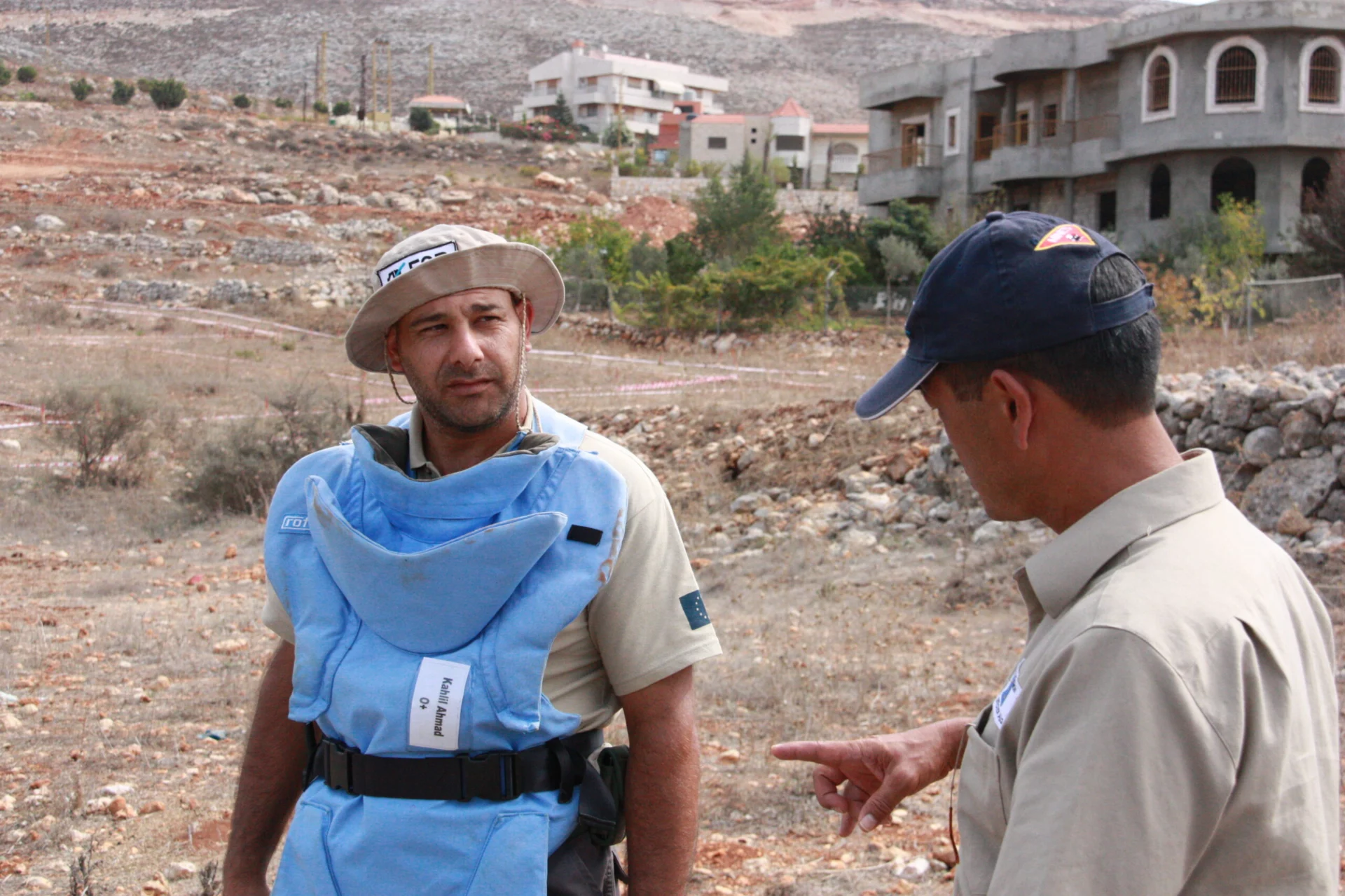
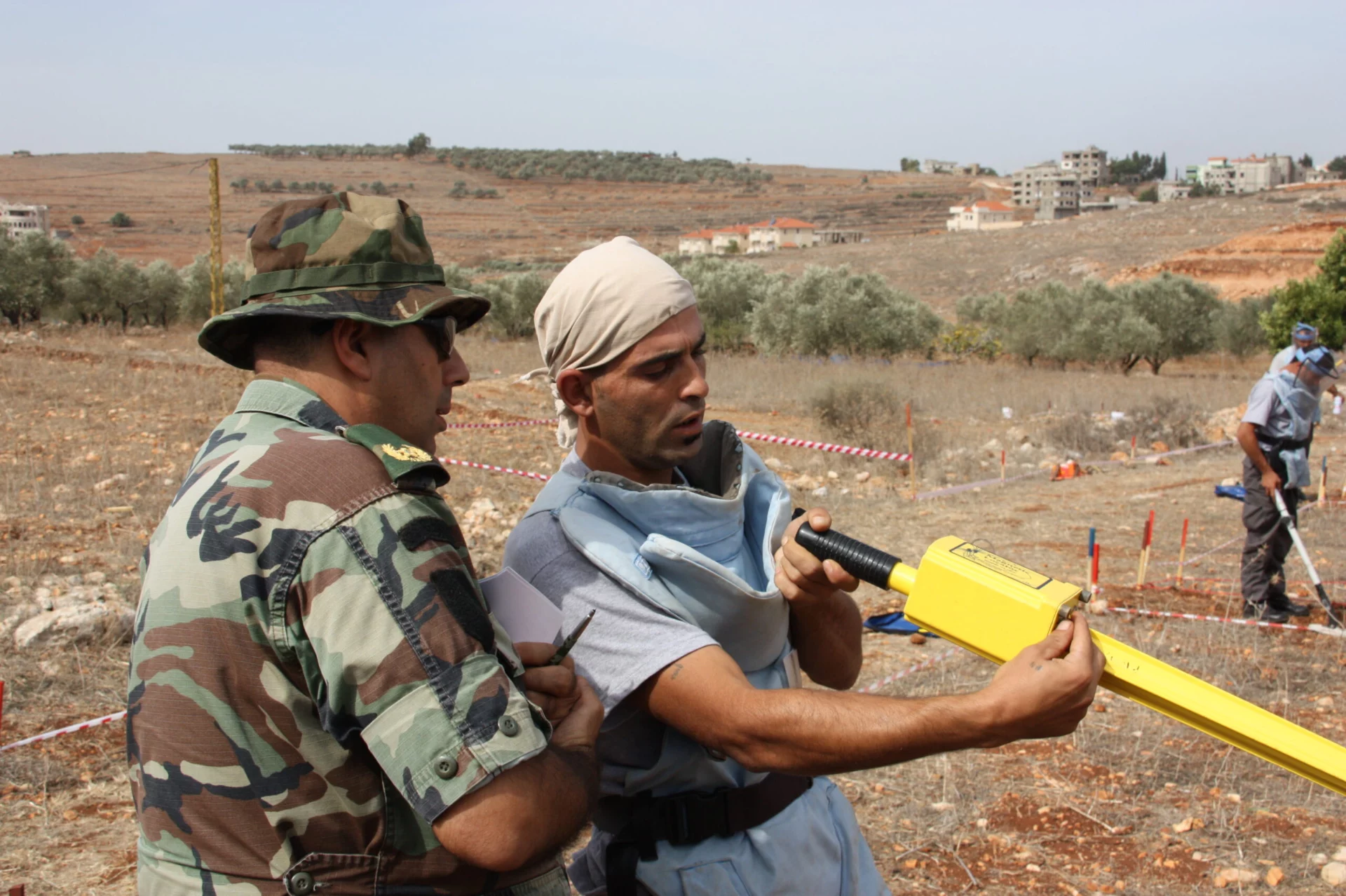
In April, 2009, an additional 3 month's grant was received from the Swiss Federal Department of Foreign Affairs. This allowed FSD to deploy two Battle Area Clearance teams in South Lebanon. Because FSD had retained its trained staff, mobilisation was quick and effective. Two BAC teams underwent a short refresher training course and were accredited by the Lebanese Mine Action Centre (LMAC) on 19th of May 2009. They deployed to their first task in the village of Kfar Shouba, in Hasbaya District, Nabatieh province – an area with high and medium levels of cluster munition contamination. FSD is the first cluster munition clearance NGO to operate in the area.


FSD will continue its efforts to mobilize funds in order to continue its commitment to cluster munition clearance in South Lebanon.

Above: FSD Battle Area Clearance Teams during refresher training in Nabatieh, May 2009.

Above: FSD Battle Area Teams getting accredited by the Lebanese Mine Action Centre, May 2009.


Past Article

Lebanon: Lebanon program celebrates one million square meters of released land - Yallah Shabeb Campaign

Lebanon: FSD Lebanon co-winner of Nansen Refugee Award - but no further funding in sight for 2009

Lebanon: Mine Risk Education to protect children

Lebanon: ECHO funded mine and UXO clearance project in the Region of Tyre


Support


Country Operations

STAFF