Nous utilisons des outils de mesure d'audience (comme Google Analytics 4 et Clarity), via Google Tag Manager, pour comprendre l'utilisation du site et l'améliorer. Les données sont utilisées à des fins statistiques et ne servent pas à la publicité ciblée.
Pakistan
Lutte antimine
Sensibilisation aux dangers des engins explosifs Déminage humanitaire
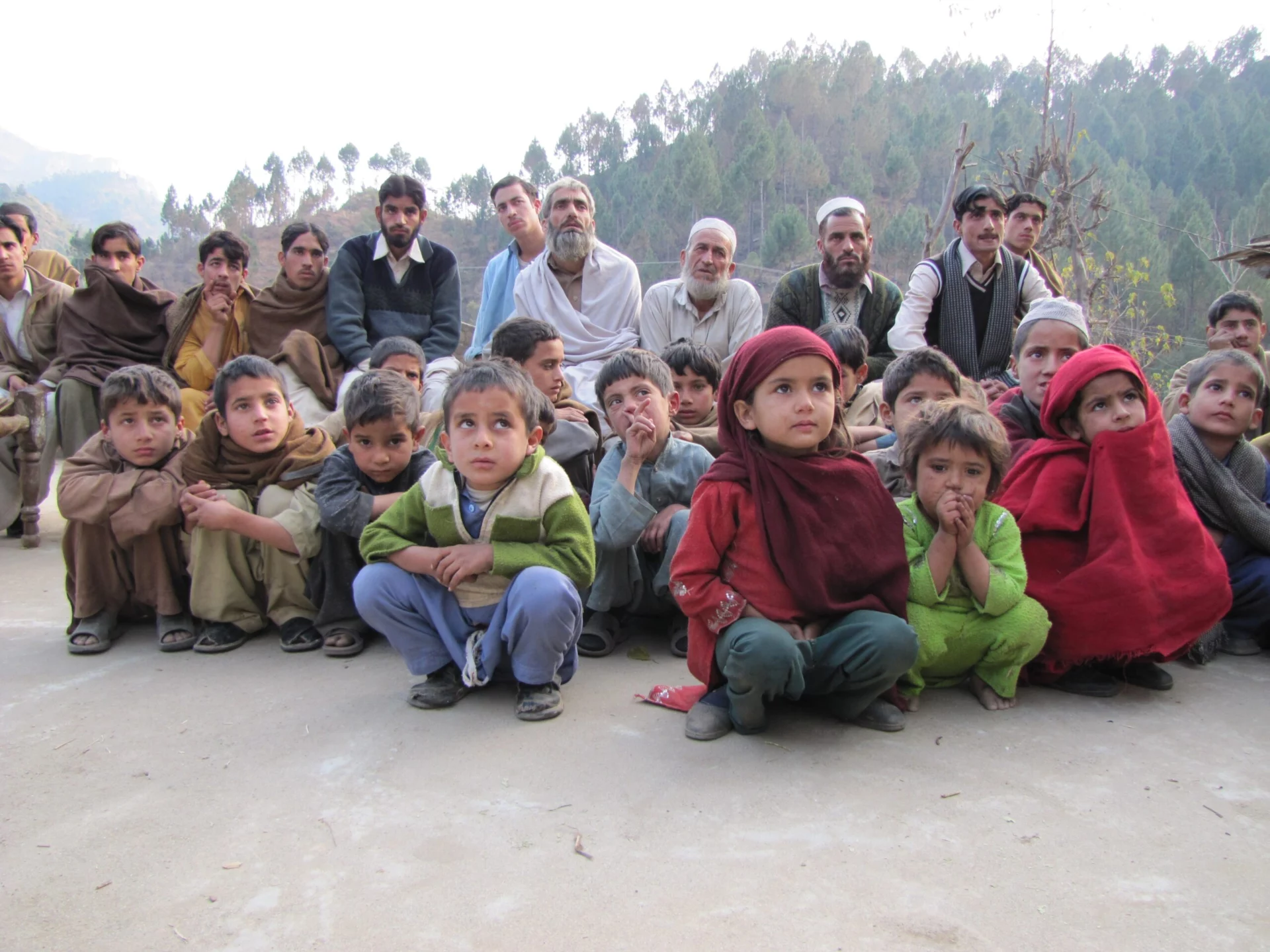
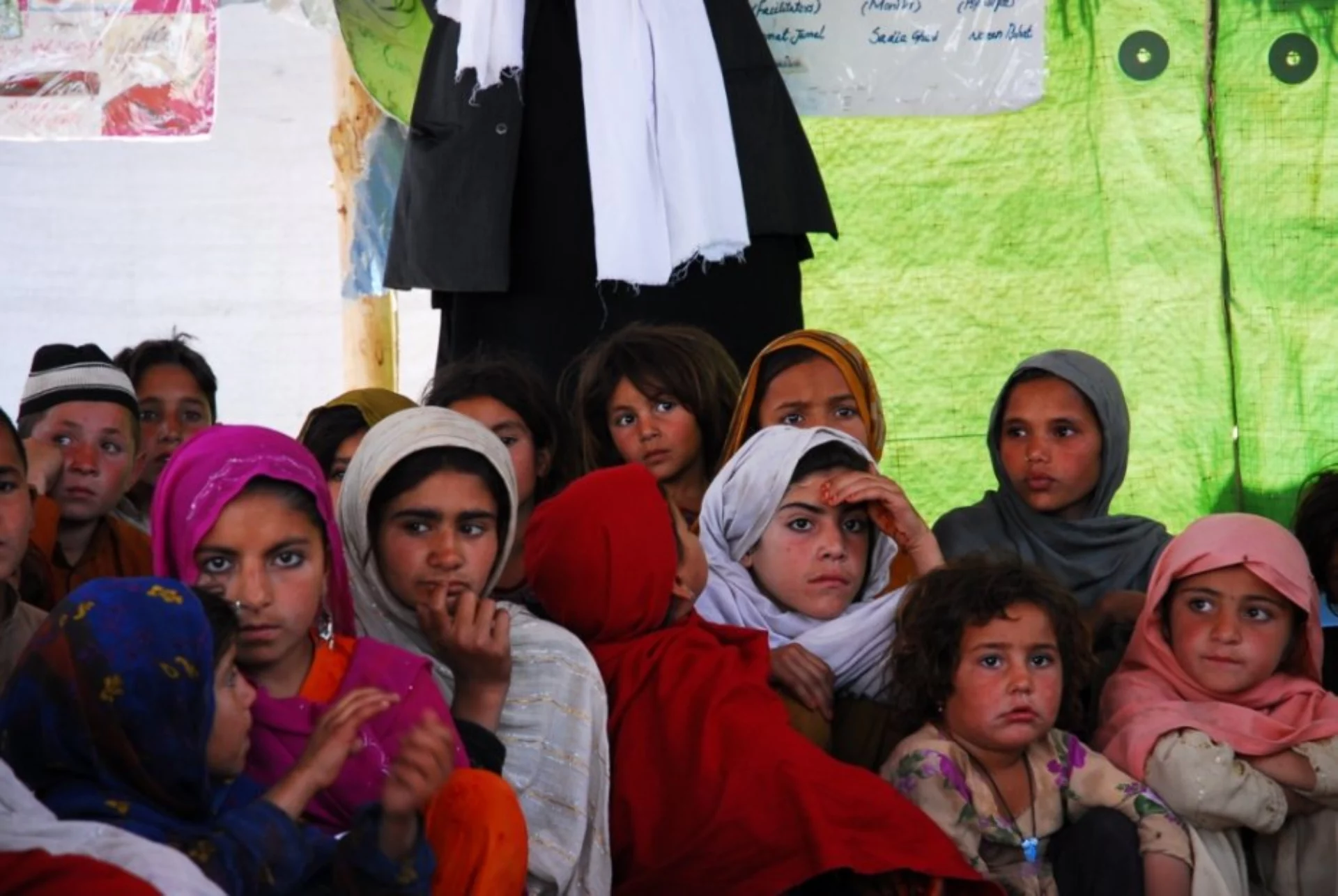
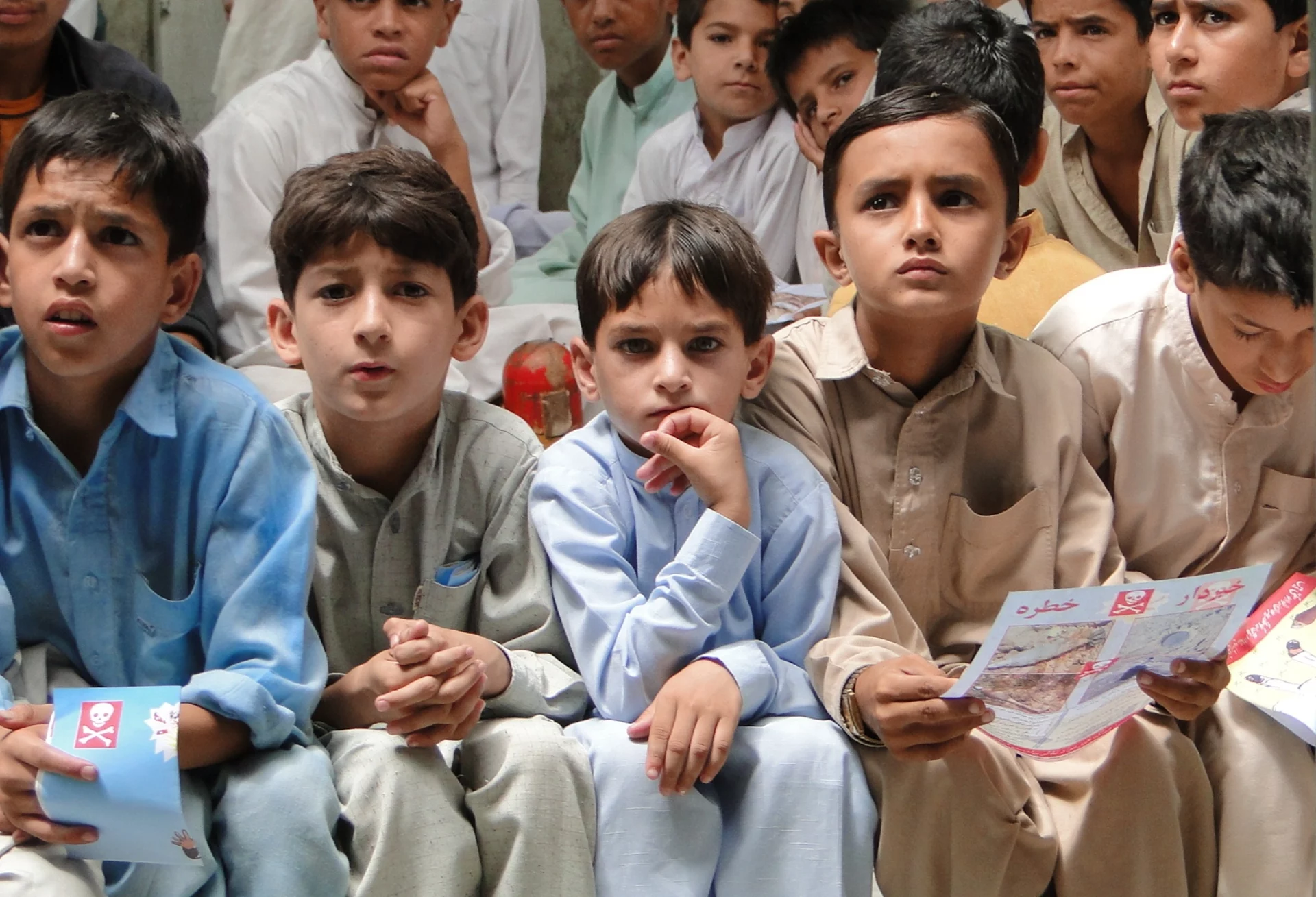
De 2009 à 2011, la FSD a mené un vaste projet de sensibilisation aux dangers des restes explosifs de guerre au Pakistan. Des équipes locales ont été formées et déployées pour apprendre aux communautés concernées à adopter les bons gestes pour prévenir les accidents.
Des déplacé·es face aux restes explosifs de guerre
Les conflits soviéto-afghan et indo-pakistanais, puis plus récemment les combats intenses de 2009 dans la province frontalière du Nord-Ouest et la région de Khyber Pakhtunkhwa, ont entraîné le déplacement de près de 2,8 millions de personnes au Pakistan. De retour chez elles, de nombreuses familles ont retrouvé leur village criblé de mines et restes explosifs de guerre.
+66’000
personnes sensibilisées aux dangers des restes explosifs
+350
restes explosifs de guerre identifiés et détruits
20
équipes de sensibilisation formées et déployées
Des équipes locales pour prévenir les accidents
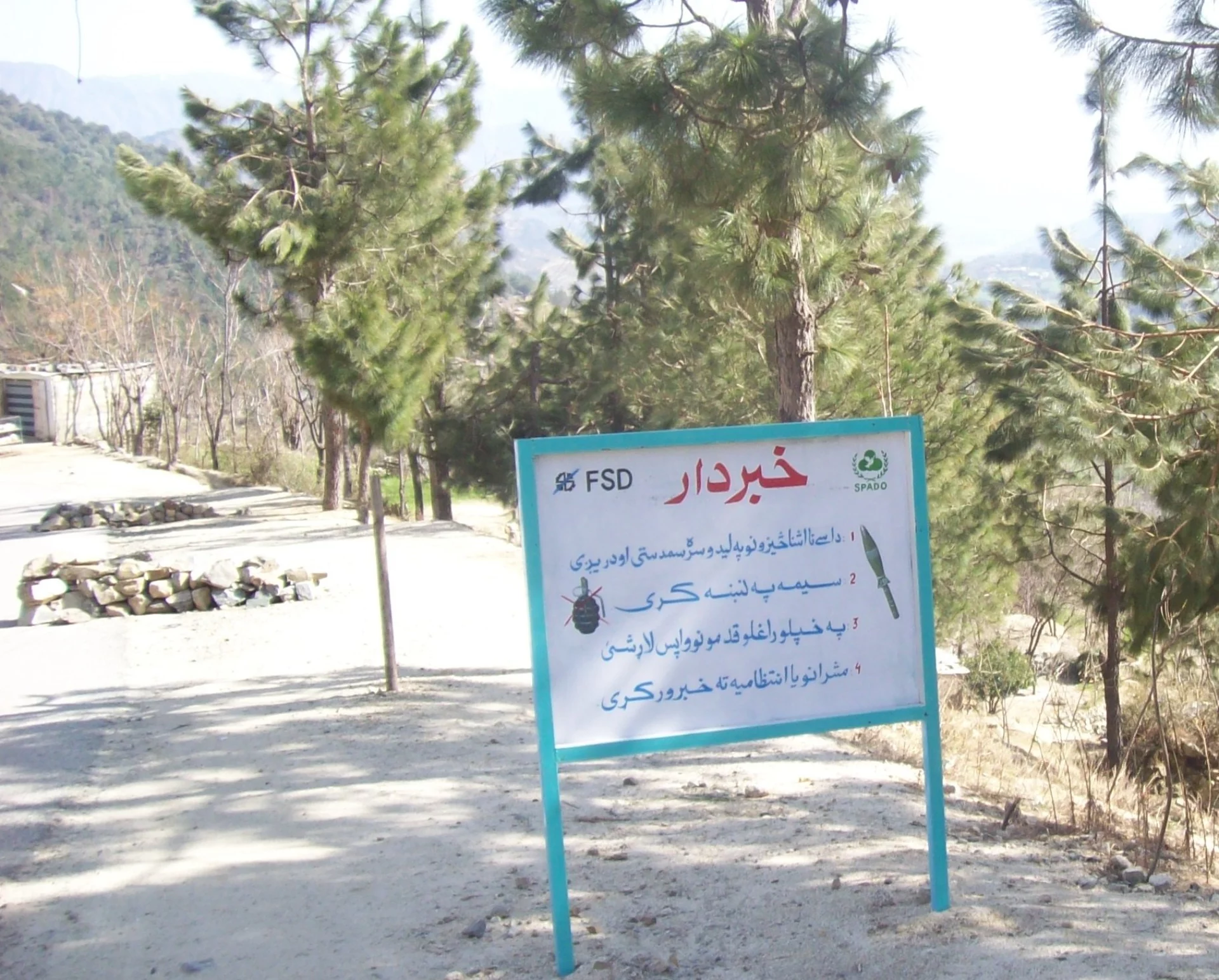
Entre 2009 et 2011, la FSD a mis en œuvre un projet de grande envergure en partenariat avec les organisations SPADO (Sustainable Peace and Development Organisation) et Best (Organisation for Basic Education and Vocational Training). Vingt équipes locales ont été recrutées et formées pour dispenser des sessions de sensibilisation aux dangers des mines et restes explosifs dans les zones les plus touchées. Parallèlement, la FSD a assuré l’identification et la destruction de restes explosifs dans la vallée de Swat et dans les districts environnants.
Un savoir qui peut sauver
Grâce à ces sessions de sensibilisation, des dizaines de milliers de personnes ont acquis des connaissances essentielles pour se protéger face aux restes explosifs. En renforçant les compétences locales et en impliquant directement les communautés, la FSD a favorisé une approche durable de la sensibilisation, contribuant à réduire les accidents et à améliorer la sécurité dans des régions particulièrement vulnérables.

De la Bosnie à l'Ukraine
Découvrez notre histoire
Depuis près de 30 ans, la FSD œuvre pour rendre les terres plus sûres. Retracez les grandes étapes de notre action humanitaire depuis notre première opération de déminage en 1998.
Dernières actualités
Tout voir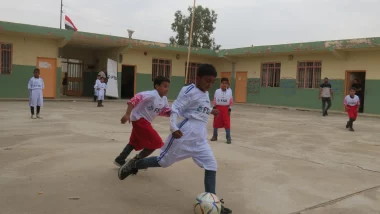
Déminer les terrains de foot: pourquoi c’est important
Des lieux où les enfants retournent spontanément Après la fin des hostilités, les enfants retournent naturellement vers leurs terrains de…
Mines et restes explosifs Enfants Irak Ukraine Tadjikistan
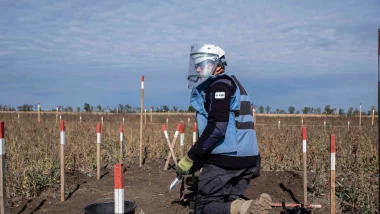
Journée internationale de la sensibilisation au problème des mines – 4 avril 2026
PDF déclaration conjointe complète (mars 2026) Investir dans la paix, investir dans la lutte antimines Genève, le 31 mars 2026…
Mines et restes explosifs Déminage humanitaire
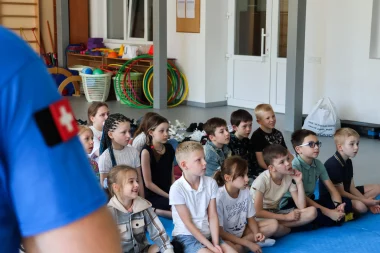
Notre programme de lutte antimines en Ukraine
PDF brochure Ukraine complète (mars 2026) Nos opérations en cours – mars 2026 En mars 2026, plus de 450 employé·es…
Déminage humanitaire Ukraine